Common Vehicle Problems Minnesota Drivers Face After Winter Roads
By the time spring arrives in Long Lake, MN, most vehicles have absorbed months of road salt, punishing potholes, and temperature swings that push every system to its limit. Post-winter car maintenance is not just about peace of mind; it is about catching the damage winter leaves behind before it compounds on the road ahead. Arvu Auto sees it every season: worn suspension, corroded brakes, stressed tires, and fluid issues that cold weather quietly accelerates.
This guide walks you through each system so you can head into spring knowing exactly where your vehicle stands.
What Minnesota Roads Do to Your Vehicle
Most drivers think about winter damage in obvious terms: a flat tire, a dead battery. But the more serious damage is what tends to sneak up on you.
Road salt keeps roads drivable, but it does not discriminate between asphalt and your undercarriage. Over a full winter season, salt exposure steadily works on:
- Brake components: Rotors and calipers rust faster, and hardware can begin to seize
- Suspension hardware: Bolts, bushings, and control arms corrode under constant salt contact
- Brake and fuel lines: Metal lines running beneath the vehicle are particularly vulnerable
- Rubber seals and boots: Cold temperatures cause cracking, which lets moisture and debris in
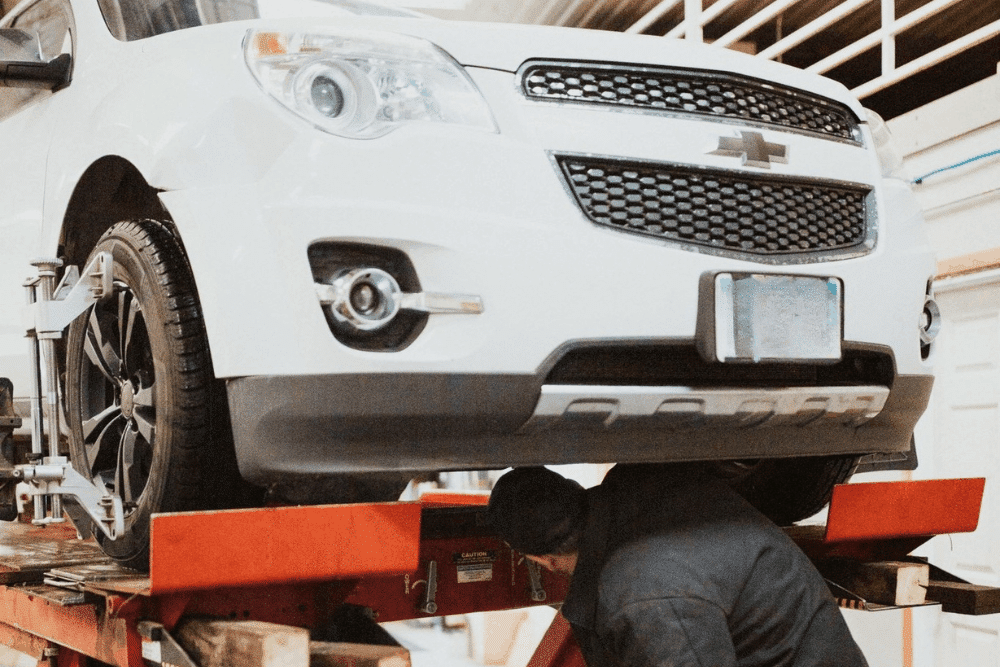
Then there are the potholes. When water seeps into a road crack, freezes, and expands, the pavement breaks apart. Each impact transfers force directly into your tires, wheels, and suspension. One bad hit can shift your alignment, bend a wheel, or damage a strut. The result is a vehicle that feels fine on the surface but is quietly wearing down underneath.
Spring Is the Most Critical Season for Your Vehicle
Here is something most drivers overlook: spring is harder on vehicles than winter in some ways.
During winter, roads stay consistently cold, and your vehicle adapts to that steady state. When spring arrives, temperatures swing dramatically from day to night. Rubber expands and contracts. Fluids that thickened over winter circulate through systems that have been under strain for months. Potholes are at their worst in March and April because the freeze-thaw cycle peaks then, not in January.
This is why post-winter car maintenance in Long Lake, MN, matters most in early spring. By the time summer arrives, the additional miles driven on compromised components have already done more damage. Catching issues in March is almost always a smarter move than waiting until July.
The Post-Winter Damage Report: System by System
Suspension and Alignment
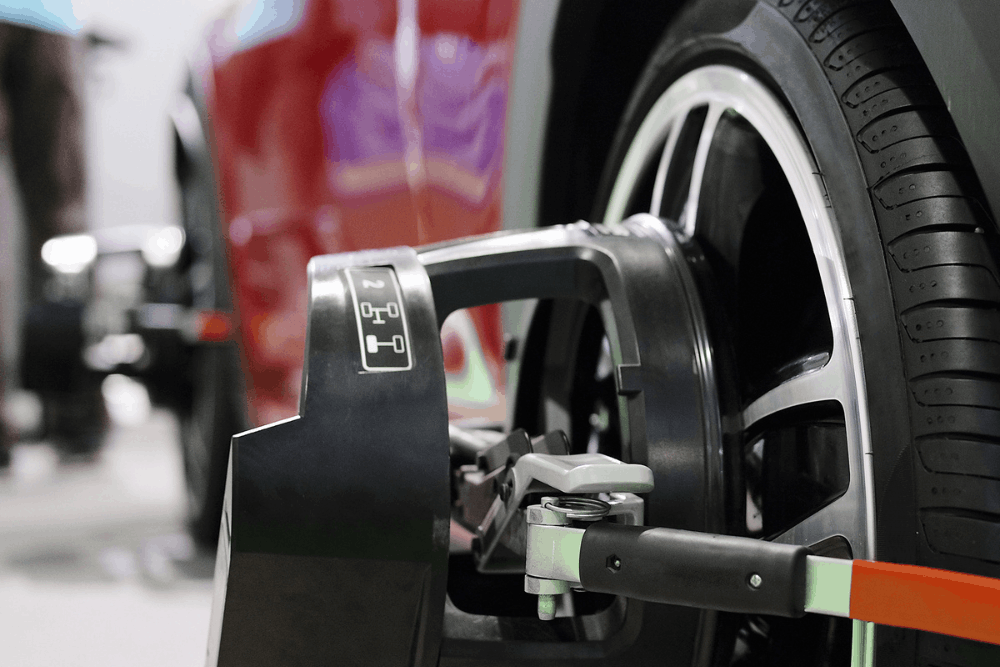
Your suspension absorbs everything the road throws at it. After a Minnesota winter, it is one of the first systems to show wear. Pothole impacts stress struts, control arms, tie rods, and wheel bearings, and can knock your alignment off enough to cause uneven tire wear and a pulling sensation while driving.
Signs to watch for:
- Vehicle pulls left or right on a straight road
- The steering wheel sits off-center
- Clunking or knocking sounds over bumps
- Uneven tread wear across the tire width
Brakes
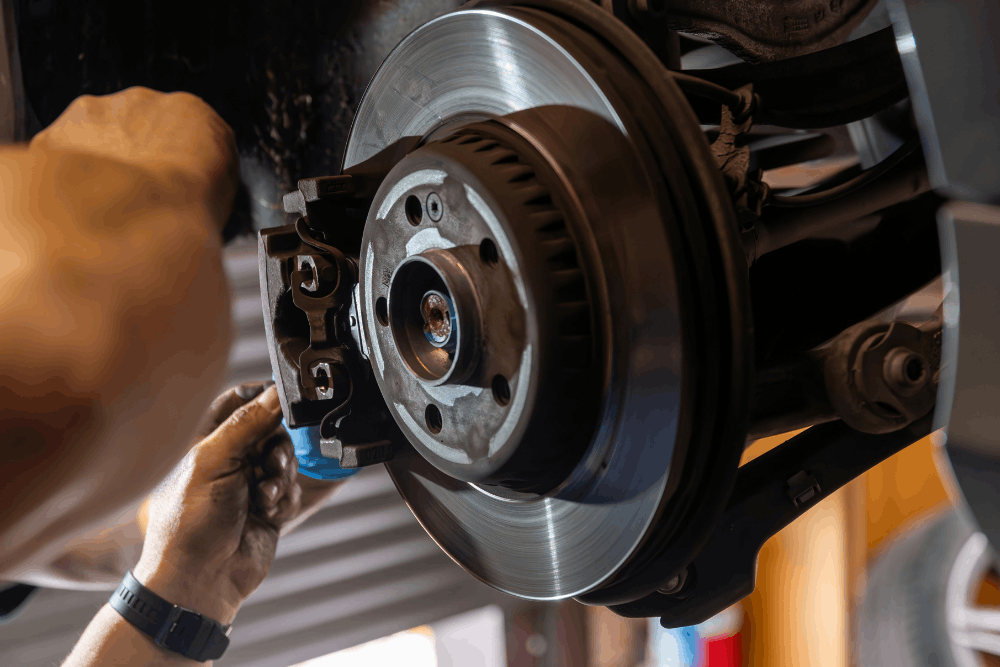
Salt accelerates rust on rotors and causes brake hardware to corrode and stick. If your brakes feel different from how they did before winter, that is worth investigating.
Watch for:
- Squealing or grinding when braking
- Soft or spongy brake pedal
- Vehicle pulling to one side under braking
- Vibration through the pedal when slowing down
A brake inspection in Long Lake, MN, after winter is one of the highest-return steps you can take. Worn pads or corroded hardware left unaddressed will eventually damage rotors, which costs more to address later.
Tires
Cold temperatures cause tire pressure to drop roughly one PSI for every 10-degree temperature change. Over a full winter, tires can run significantly underinflated without triggering a warning light, accelerating wear, and affecting handling.
Post-winter tire checklist:
- Check pressure on all four tires and the spare
- Inspect sidewalls for bulges, cuts, or cracks
- Check tread depth across the full tire width, not just the center
- Look for cupping or scalloping, which often points to suspension problems
If you notice any of these signs during your own check, bring your vehicle in for a professional tire inspection before those issues affect your safety on the road.
Engine and Fluids
Cold weather thickens fluids and forces your engine and cooling system to work harder all season. Once spring arrives, it is worth checking what winter left behind.
Key fluids to review:
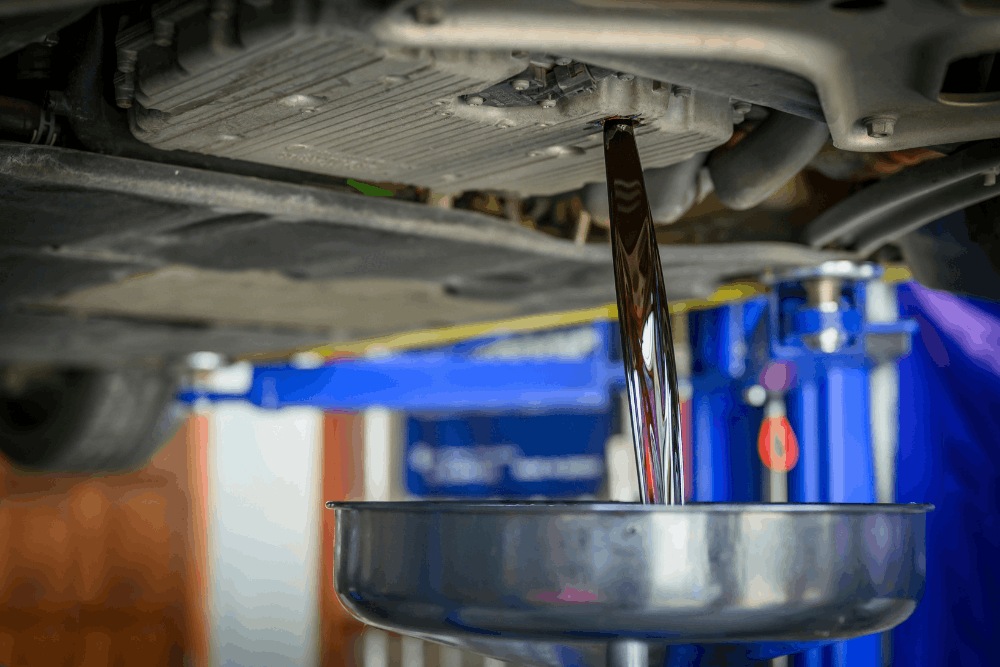
- Engine oil: A milky or gritty appearance can signal coolant mixing or contamination
- Coolant: Check level and condition; winter stresses the cooling system significantly
- Brake fluid: Absorbs moisture over time, which lowers the boiling point and reduces stopping performance
- Power steering fluid: Check for leaks that cold-weather seal shrinkage may have caused
One thing many drivers overlook: if your check engine light came on during winter and then went off, do not assume it resolved itself. A stored fault code can still point to an active issue. Getting engine diagnostics in Minnesota during spring is a smart way to catch what cold weather may have triggered or masked. If anything looks off during your own fluid check, schedule a visit with the team at Arvu Auto for a thorough inspection.
Post-Winter Inspection Checklist for Minnesota Vehicles
Use this as a quick reference for what to prioritize after a Minnesota winter:
| System | Common Winter Damage | Key Warning Signs | Priority |
|---|---|---|---|
| Suspension | Worn struts, alignment shift | Pulling, clunking, uneven tire wear | High |
| Brakes | Rust, worn pads, seized hardware | Grinding, squealing, soft pedal | High |
| Tires | Pressure loss, sidewall damage | Bulges, low tread, cupping | High |
| Engine Oil | Contamination, thickening | Milky appearance, rough idle | Medium-High |
| Coolant | Level drop, degraded mixture | Overheating, low reservoir | Medium |
| Brake Fluid | Moisture absorption | Soft pedal, reduced response | Medium |
| Alignment | Pothole impact shift | Pulling, off-center steering | High |
If your vehicle is showing any of these warning signs, do not wait for the problem to grow. The team at Arvu Auto in Long Lake, MN, is ready to help. Stop by at 560 Willow Dr N, Long Lake, MN, 55356, or call 952-444-1093 to schedule your post-winter inspection today.
Why Arvu Auto Is the Post-Winter Inspection Choice in Long Lake, MN
At Arvu Auto in Long Lake, MN, post-winter inspections are built around one thing: keeping you fully informed before any decision is made.
As part of your post-winter maintenance inspection, the team uses AutoVitals for digital vehicle inspections, meaning you receive photos and documentation of exactly what the technicians find during your service visit. Every recommendation is based on your vehicle’s condition and your goals for it, whether you plan to drive it for two more years or two hundred thousand more miles.
Here is what sets Arvu Auto apart:
- ASE-certified technicians and NAPA AutoCare center
- Digital vehicle inspections via AutoVitals for complete transparency
- 36-month/36,000-mile warranty on most auto repairs and services
- Loaner cars, local shuttle, and early drop-off so your schedule stays intact
- Text to pay and flexible communication by phone, text, or email
Arvu Auto serves Long Lake and surrounding communities, including Orono and Minnetonka, and also has locations in Cokato, MN, and Watertown, MN, bringing the same thorough inspection process to drivers across the region. The approach at every location is grounded in the same core values: Articulate, Reliable, Versatile, and United. You get clear communication, honest recommendations, and a team that works with you, not just on your car.
FAQs About Post-Winter Car Maintenance in Long Lake, MN
What common vehicle problems occur after harsh Minnesota winters?
The most common post-winter issues include suspension damage from potholes, accelerated brake wear from road salt, tire pressure loss, and fluid degradation from extreme cold. A full inspection after winter can catch these issues before they become serious.
How do potholes affect my suspension and alignment?
Potholes can bend or crack suspension components like struts, control arms, and tie rods, and knock your wheels out of alignment. Even one significant impact can cause uneven tire wear and handling changes. Getting a suspension check after winter helps identify any damage early.
How often should brakes be inspected in Minnesota?
Brakes should be inspected at least once a year, with Minnesota drivers ideally scheduling a check in spring after heavy salt exposure and again in fall before winter driving. High-mileage drivers and those doing frequent city driving may benefit from more frequent reviews.
What engine warning signs should I watch for after winter?
Watch for a rough idle, reduced power, unusual exhaust smoke, or oil that appears milky or gritty. These can all point to issues that cold weather stress triggered or worsened. Engine diagnostics in spring help catch problems before they escalate.
Can road salt cause long-term damage to my vehicle?
Yes, road salt accelerates corrosion on brake lines, suspension hardware, and the vehicle undercarriage. Over multiple winters, untreated salt exposure can compromise both structural and mechanical components. Staying current on inspections and rinsing the undercarriage regularly reduces long-term damage significantly.
Schedule Your Post-Winter Car Maintenance in Long Lake, MN, Today
Do not wait for a warning light or a bigger repair bill. Winter leaves behind more than you can see, and a thorough inspection now is the most reliable way to protect your vehicle through the rest of the year.
Reach out to the Arvu Auto location nearest you:
- Arvu Auto Long Lake: 560 Willow Dr N, Long Lake, MN, 55356 | Call: 952-444-1093
- Arvu Auto Cokato: 315 Cokato St E, Cokato, MN, 55321 | Call: 320-286-5925
- Arvu Auto Watertown: 601 White St SE, Watertown, MN, 55388 | Call: 952-955-2761
Schedule your inspection at arvuauto.com and Drive in Confidence all year long.