How Low Tread Impacts Winter Driving in Long Lake, MN
Winter driving in Long Lake, Minnesota, tests your vehicle’s limits every season. When snow blankets County Road 6 or ice forms on Willow Drive, your tires become the critical connection between control and catastrophe. At Arvu Auto, we believe in educating and empowering you with knowledge about how low tread depth affects winter tire handling in Long Lake, MN, so you can make informed decisions about your vehicle’s safety.
The reality is stark: worn tires during Minnesota winters don’t just reduce performance; they eliminate your margin for error. Understanding the physics of traction and the measurable risks of driving on low tread tires helps you recognize when replacement becomes essential rather than optional.
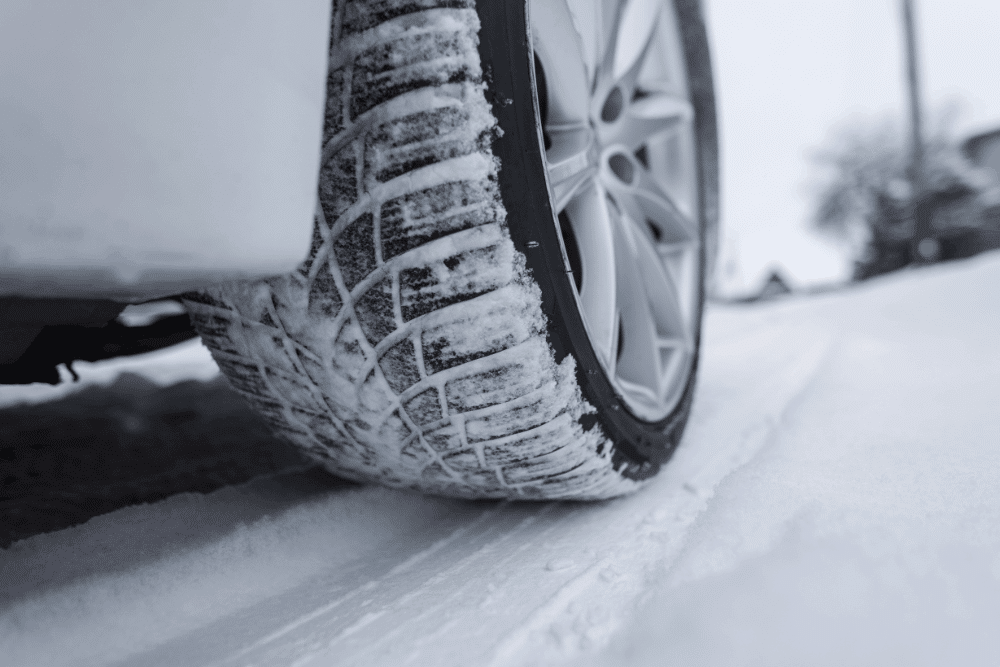
Understanding Winter Traction on Long Lake's Winter Roads
Tire tread isn’t cosmetic. Those grooves and patterns serve specific engineering purposes that become critical when temperatures drop below freezing.
How Tread Depth Creates Grip on Snow and Ice
Fresh tire tread features deep channels designed to:
- Bite into snow: Tread blocks create edges that grip loose snow and push it through grooves
- Evacuate slush: Channels move water and slush away from the contact patch where rubber meets road
- Maintain surface contact: Multiple biting edges grip irregular ice surfaces
- Prevent ice buildup: Adequate depth prevents snow from compacting in grooves
When tread wears down, these functions deteriorate rapidly. Minnesota law requires only 2/32 of an inch minimum tread depth for passenger vehicles, but this legal standard doesn’t account for winter driving physics. For safe snow tire performance in Minnesota, experts recommend maintaining at least 6/32 of an inch, three times the legal minimum.
Quick Tread Depth Check Methods
- The Penny Test: Insert a penny with Lincoln’s head pointing down. If you see the top of his head, you’re at the legal minimum of 2/32 inch, dangerously inadequate for winter.
- The Quarter Test: Use a quarter instead. If you see the top of Washington’s head, you’re around 4/32 inch, still below winter safety recommendations.
For precise measurements, our ASE-certified technicians at Arvu Auto measure tread at multiple points during digital vehicle inspections using AutoVitals. We photograph tread depth and wear patterns so you can see exactly what we’re seeing, making it easier to understand your tire’s condition and replacement timing.
The Real-World Tread Depth Guide for Minnesota Drivers
| Feature | Winter Tires | All-Season Tires |
|---|---|---|
| Cold Weather Performance | Rubber compounds stay flexible below 45°F | Rubber hardens in freezing temperatures |
| Tread Design | Deeper patterns with more biting edges | Shallower tread with fewer edges |
| Ice Traction | Specialized siping for superior ice grip | Limited ice grip capability |
| Stopping Distance | Measurably shorter in freezing conditions | Significantly longer on ice and snow |
| Convenience | Seasonal swap required | Year-round use without changes |
| Best For | Minnesota’s harsh winter conditions | Mild winter weather only |
For Long Lake drivers facing reliably harsh winters, dedicated winter tires provide safety advantages that all-season tires simply cannot match.
When to Install Winter Tires in Long Lake
Winter tires perform best when temperatures consistently stay below 45°F. Installing winter tires before the first major snowfall ensures you’re prepared when conditions deteriorate. Even mid-winter installation provides crucial safety benefits through the remainder of the season.
Reading Tire Wear Patterns and Hidden Costs
Different wear patterns reveal specific vehicle problems that will continue damaging new tires if left unaddressed.
- Center Wear: Indicates overinflation, reducing the tire’s contact area with the road
- Edge Wear: Results from underinflation, causing excessive flexing and heat buildup
- One-Sided Wear: Points to alignment problems affecting both handling and safety
- Patchy or Cupped Wear: Suggests suspension issues or balance problems requiring attention
- Feathering Pattern: Indicates toe alignment issues, creating sawtooth-shaped wear
Delaying tire replacement creates costs beyond the tire price itself, including increased accident likelihood, secondary damage to suspension components and brakes, and reduced vehicle resale value. The calculation isn’t just about tire cost; it’s about total risk and long-term vehicle health.
Our Core Values: Putting You in the Driver's Seat
At Arvu Auto, vehicle care is a partnership built on four principles that guide every interaction.
- Articulate: We explain your options clearly, whether you’re a new driver learning vehicle maintenance basics or a fleet manager overseeing multiple vehicles. No confusing jargon, just honest communication about what your tires show us and what that means for your winter driving safety.
- Reliable: Our recommendations focus on quality tire solutions using trusted brands and proven installation methods. We deliver dependable results that match your driving goals and provide the performance you expect from properly installed, balanced, and aligned tires.
- Versatile: We service all makes and models, from the European luxury vehicles common in Long Lake to domestic trucks and family SUVs. Our expertise, combined with current automotive technology, ensures precise service regardless of what you drive.
- United: We work as a team, and that includes you. We provide expert insight, but you make the final decisions about your vehicle. Our service advisors collaborate with technicians to offer comprehensive recommendations, and we support the Long Lake community through local partnerships and sponsorships.
These values ensure you always Drive in Confidence, knowing we prioritize your goals over our sales targets.
Comprehensive Tire Services at Arvu Auto
Our Long Lake location provides complete tire care designed around your schedule.
Tire Inspection and Services:
- Digital tread depth measurement at multiple points
- Uneven wear pattern analysis and damage assessment
- Tire sales for passenger vehicles and light trucks
- Expert installation with precision balancing
- Wheel alignment to prevent premature wear
- Tire rotation to maximize tread life
Convenience Features:
- Comfortable waiting room with loaner cars available
- Local shuttle service for your convenience
- Lockbox and early drop-off options
- Text-to-pay for seamless transactions
We also serve drivers in Watertown and Cokato, with our Cokato location specializing in heavy-duty diesel vehicles and commercial fleet maintenance.
Choosing the Right Winter Tires for Long Lake Conditions
Consider these factors when deciding whether to replace tires before winter:
- Your Driving Patterns: Daily commutes on maintained highways differ from rural roads seeing less frequent plowing
- Vehicle Purpose: Family transportation requires different safety considerations than occasional-use vehicles
- Current Tread Condition: Approaching 6/32 inch means replacement time, regardless of legal minimums
- Your Timeline: Keeping your vehicle another year versus another decade affects investment decisions
We respect that you’re in control of your vehicle’s care. We provide the information; you make the choice that fits your situation.
FAQs About Winter Tire Handling and Low Tread Tire Safety in Minnesota
How does tread depth affect handling in snow and ice?
Tread depth directly affects your tire’s ability to bite into snow and channel away slush and water, which are essential for maintaining traction on winter roads. Shallow treads cannot effectively grip uneven ice surfaces or evacuate moisture, leading to reduced control and longer stopping distances.
Can I drive safely on low-tread tires in Minnesota winters?
Driving on low-tread tires during Minnesota winters significantly increases your risk of losing control, experiencing longer stopping distances, and hydroplaning on slush-covered roads. While 2/32 inch meets legal requirements, winter safety experts recommend maintaining at least 6/32 inch tread depth for adequate snow and ice traction.
How do winter tires improve control in icy conditions?
Winter tires use specialized rubber compounds that remain flexible in freezing temperatures, along with tread patterns featuring deeper grooves and more biting edges than all-season tires. This combination provides superior grip on ice and packed snow, shorter stopping distances, and better handling during winter weather events.
When should I replace my tires before winter in Minnesota?
You should consider tire replacement when tread depth approaches 6/32 of an inch, well before reaching the legal minimum of 2/32 of an inch. Install winter tires when temperatures consistently stay below 45°F, to ensure you’re prepared before the first major snowfall.
Do all four tires require the same tread depth for winter driving?
Yes, maintaining similar tread depth on all four tires ensures balanced handling and predictable vehicle behavior during winter driving. Mismatched tread depths can cause your vehicle to handle unpredictably during turns, braking, or acceleration on slippery surfaces, potentially leading to loss of control.
Schedule Your Winter Tire Inspection in Long Lake
Don’t wait for the first snowfall to discover your tires aren’t ready. Early inspection provides time to research options, budget appropriately, and schedule installation before the seasonal rush.
Our ASE-certified technicians and NAPA Autocare affiliation ensure knowledgeable service backed by quality parts and honest recommendations. We measure what matters, explain what we find, and help you understand your options without pressure or sales tactics.
Visit Arvu Auto at 560 Willow Dr N, Long Lake, MN 55356, or call 952-444-1093 or text 952 234-7675 to schedule your comprehensive tire inspection. We also welcome drivers from our other convenient locations:
- Watertown: 601 White St SE, Watertown, MN 55388 | Call: (952) 955-2761 | Text: (952) 209-8805
- Cokato: 315 Cokato St E, Cokato, MN 55321 | Call: (320) 286-5925 | Text: (320) 247-6296